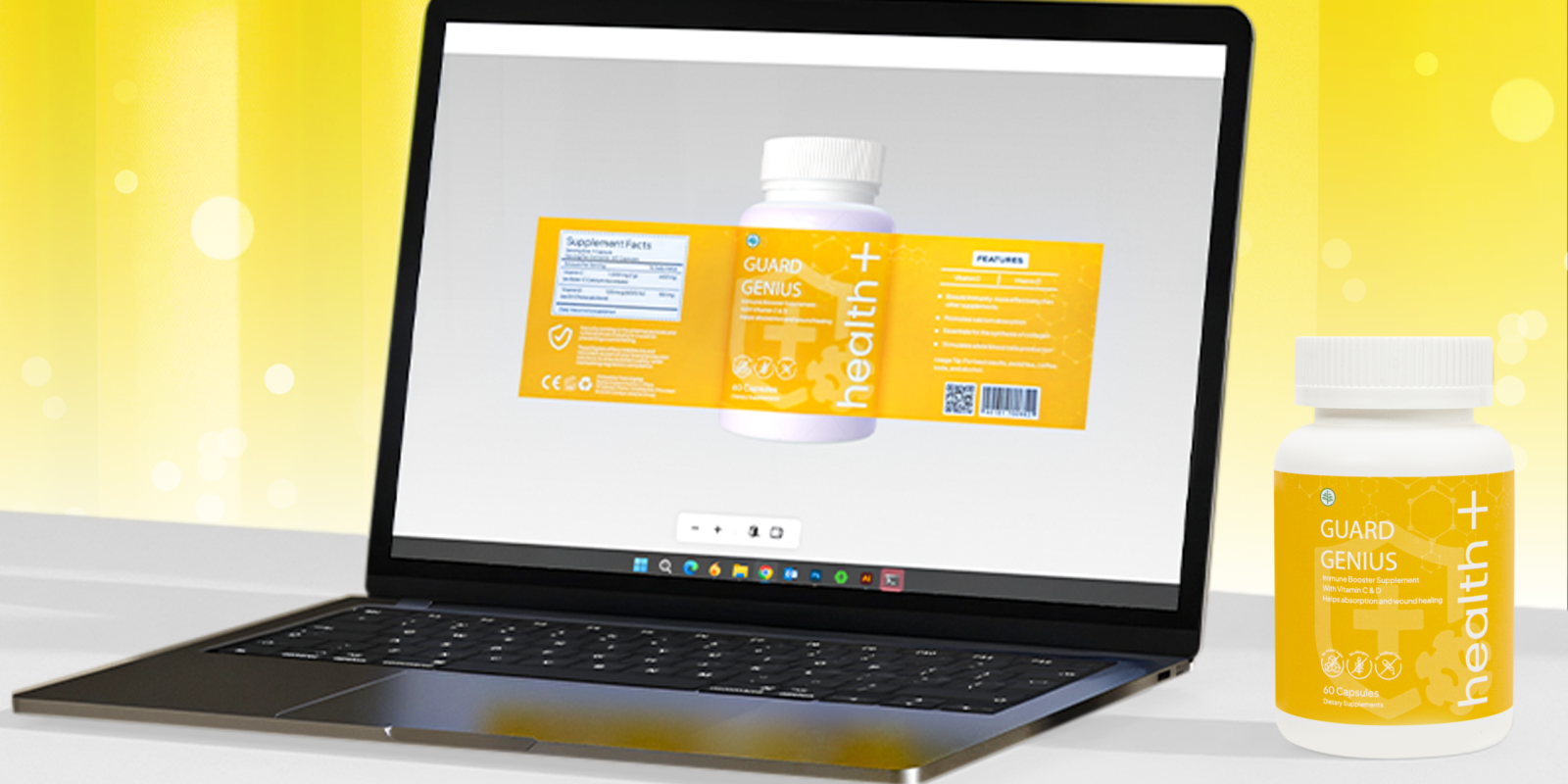
A packaging design can look perfect on screen and still disappoint once it is printed and applied to the real product.
On an actual bottle, box, jar, or pouch, details that seemed fine in the artwork file suddenly stand out. The label size, artwork placement, color appearance, material, and finishing can all influence how the final packaging looks.
This is where a mock-up sample can be a solution.
Before moving into full production, a physical sample gives brands an opportunity to see how their packaging design comes together in a real format and identify details that may need to be adjusted.
Why Do Mock-Up Samples Matter Before Product Launch?

A mock-up sample is more than a preview. It is a checkpoint that lets you evaluate your packaging in real conditions before committing to full production.
Here are five reasons why mock-up samples can be an important part of the packaging development process:
1. See How the Design Works on the Actual Packaging
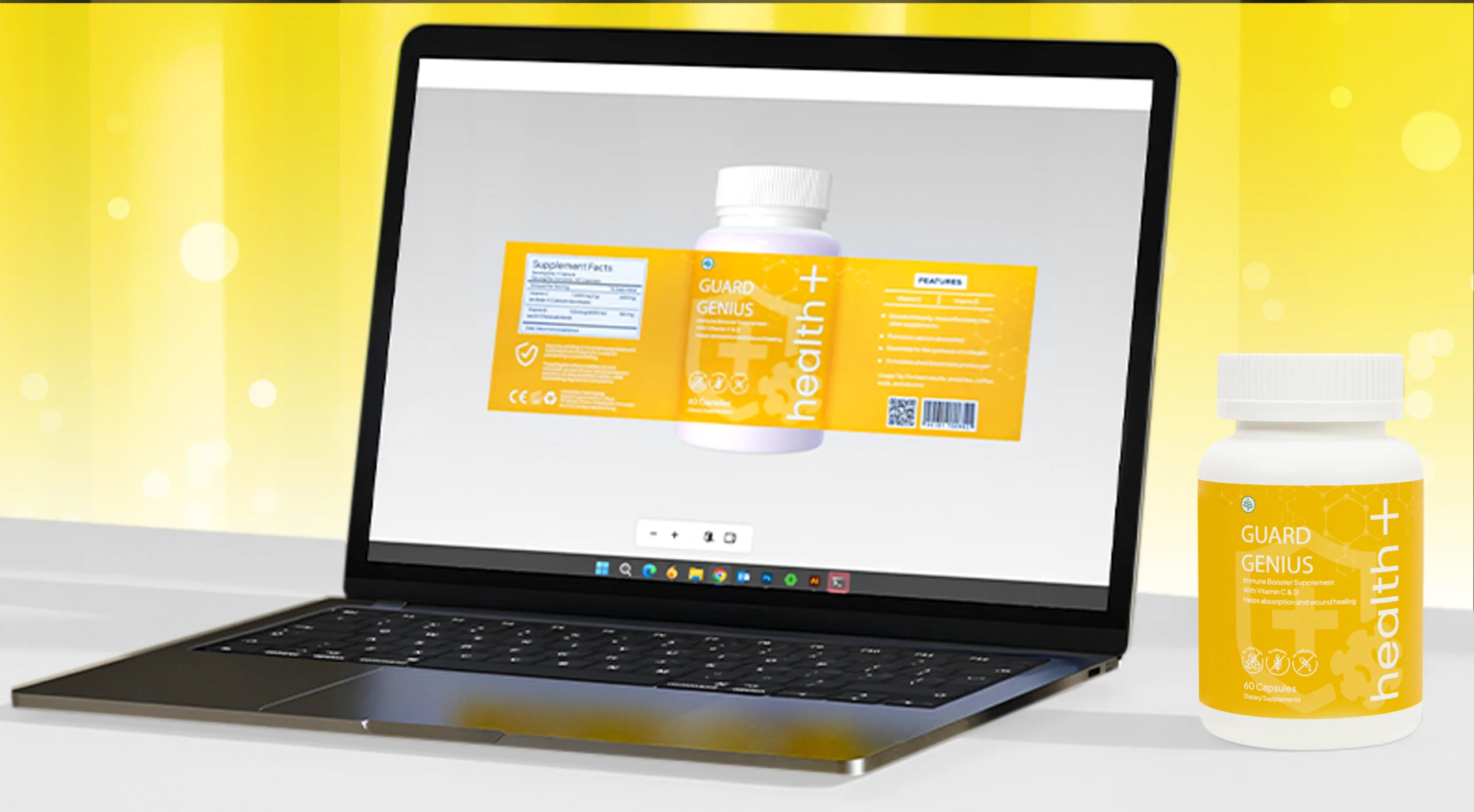
A design that looks balanced on a screen may look different once it is applied to the actual packaging.
For example, on a curved bottle, text near the edges of the label may no longer be readable from the front. This demonstrates how elements that appear well positioned in the artwork may look differently proportioned once placed on a physical bottle or container.
A mock-up sample shows the design as consumers will see it, allowing you to adjust the layout, proportions, and typography placement before the mass production process begins.
2. Evaluate the Label Material and Finishing Together
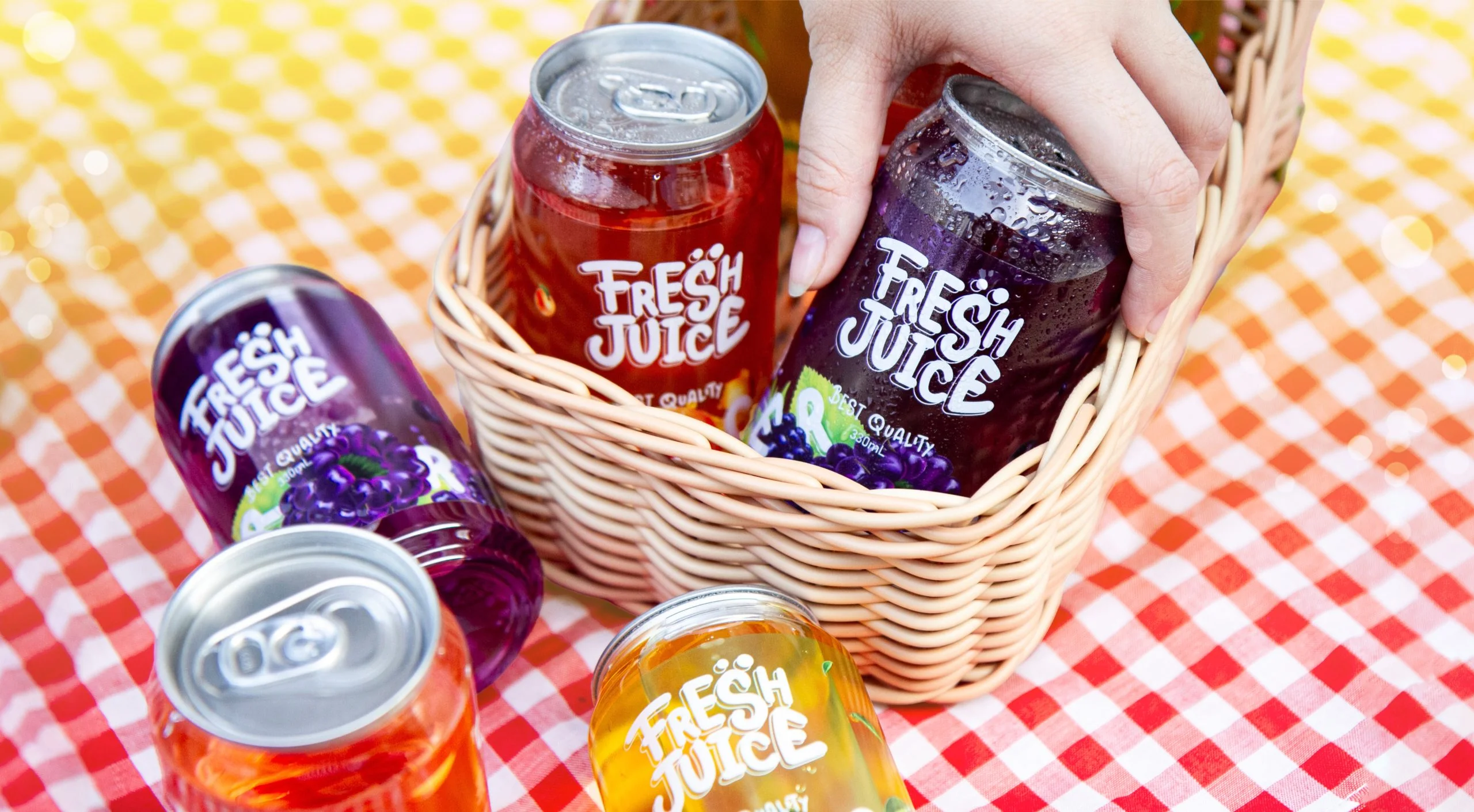
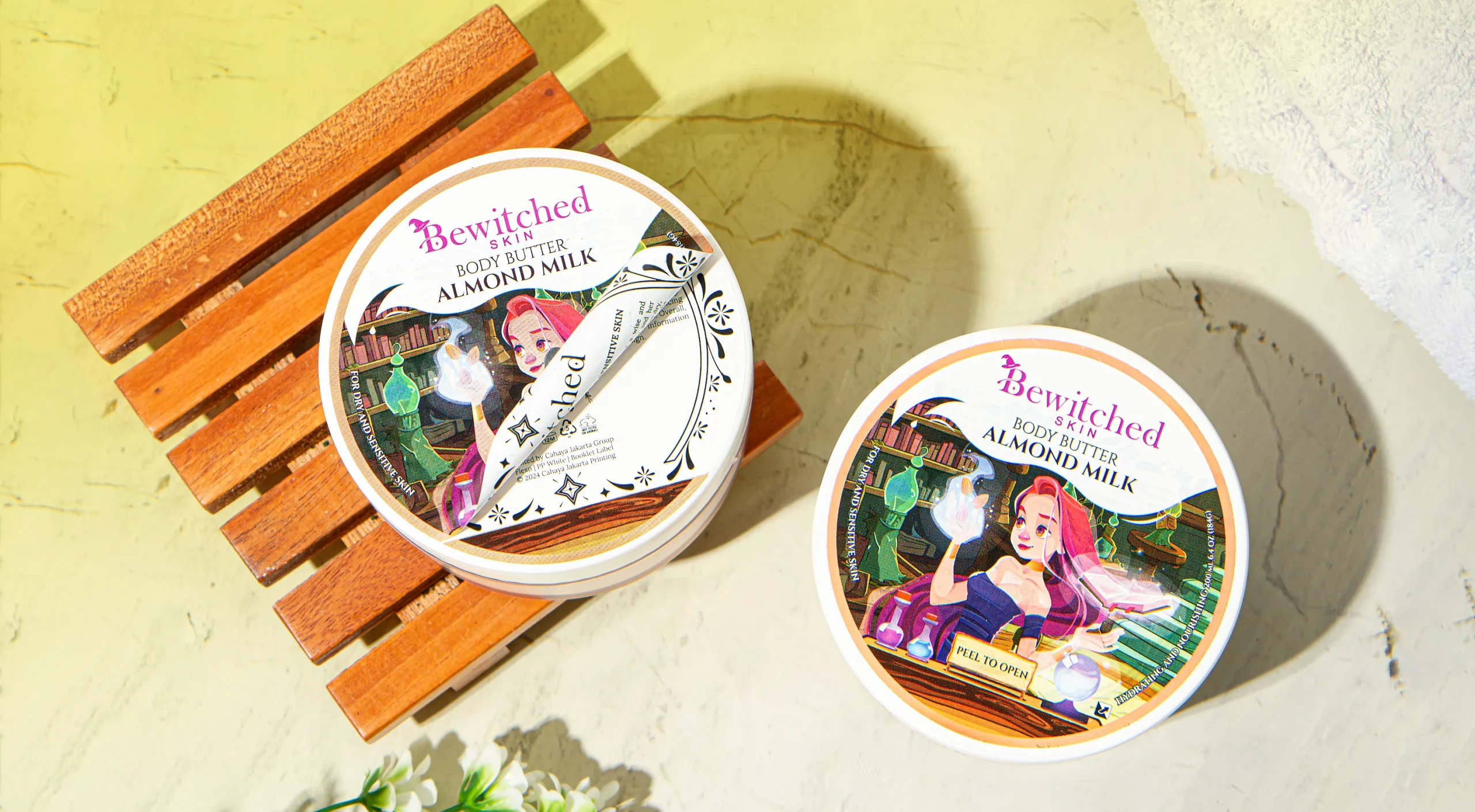
The appearance of a design can change depending on the material it is printed on and how it is finished.
A color may look different on a transparent label compared with a white substrate. Similarly, a matte or glossy finishing can influence how colors, images, and other visual elements are perceived.
By reviewing a mock-up sample, brands can see how the selected material and finishing process works together with the design whether it delivers the intended appearance. These elements work as a combination, and a screen cannot show how they contribute to the overall look and feel of the product.
4. Evaluate the Overall Product Presentation
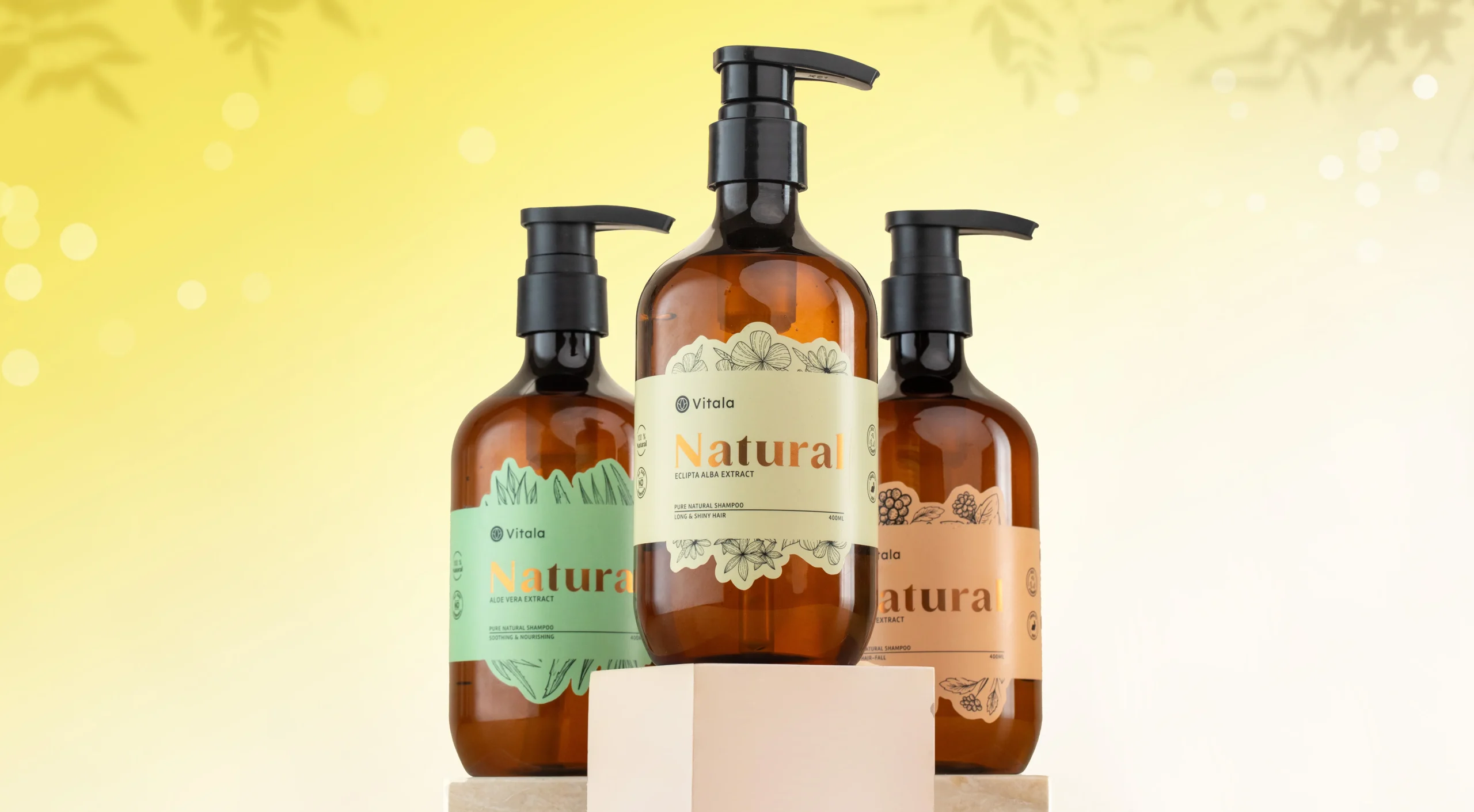
Beyond the individual design elements, a mock-up sample helps you evaluate how the packaging works as a whole. It gives you a better sense of the label’s proportions, visual impact, and how the colors, material, and finishing come together.
This also helps you assess whether the overall packaging communicates the product positioning you want before moving into full production.
5. Identify Potential Issues Before Mass Production
Making changes to an artwork file is generally easier than discovering an issue after a large production run has already been completed. A mock-up sample allowing brands to identify details that may need adjustment. For example:
- Artwork positioning
- Label dimensions
- Text size and readability
- Color appearance
- Material selection
- Finishing details
- Overall packaging proportions
Catching these details earlier can help reduce the risk of having to make costly changes after production has started.
6. Align Different Teams Before Production
Packaging development usually involves several teams. Marketing may focus on the visual identity, product development may consider the packaging format, while procurement may be looking at production requirements and cost.
A mock-up sample gives everyone a tangible reference to review together. Instead of discussing how the packaging might look, teams can evaluate the same physical sample and align on what needs to be approved or changed before moving forward.
When Should You Create a Mock-Up Sample?

A mock-up sample is especially valuable when a packaging project involves new designs, new materials, new packaging formats, or significant changes to an existing product.
It can also be useful when several elements need to work together, such as a specific label material, color palette, or finishing combination.
The goal is not to make the development process more complicated. Instead, a mock-up provides a practical checkpoint to make sure the final packaging is closer to what the brand expects.
For this reason, it is helpful to plan for at least one round of revisions. This gives you time to make any necessary design adjustments and review an updated sample before moving forward with mass production.
From Digital Design to Physical Packaging

A digital artwork file is an important starting point, but it is only part of the story. Seeing the design as a physical sample can reveal details that may not be obvious on screen from how the label fits the packaging to how the material, color, and finishing work together.
For any brand that is preparing for a product launch, taking the time to review a mock-up sample is one of the simplest ways to move into full production with confidence.
At Theia Digilab Indonesia, we support brands in bringing packaging ideas from digital artwork into physical printed results. With digital printing technology, we produce mock-up samples that let you evaluate your design, materials, and finishing before committing to your production run.
Planning a new product launch or exploring a new packaging design? Talk to our team and let’s discuss how we can help bring your packaging concept to life through:
WhatsApp: https://wa.me/62811949769
Email: marketing@cahayajakarta.com