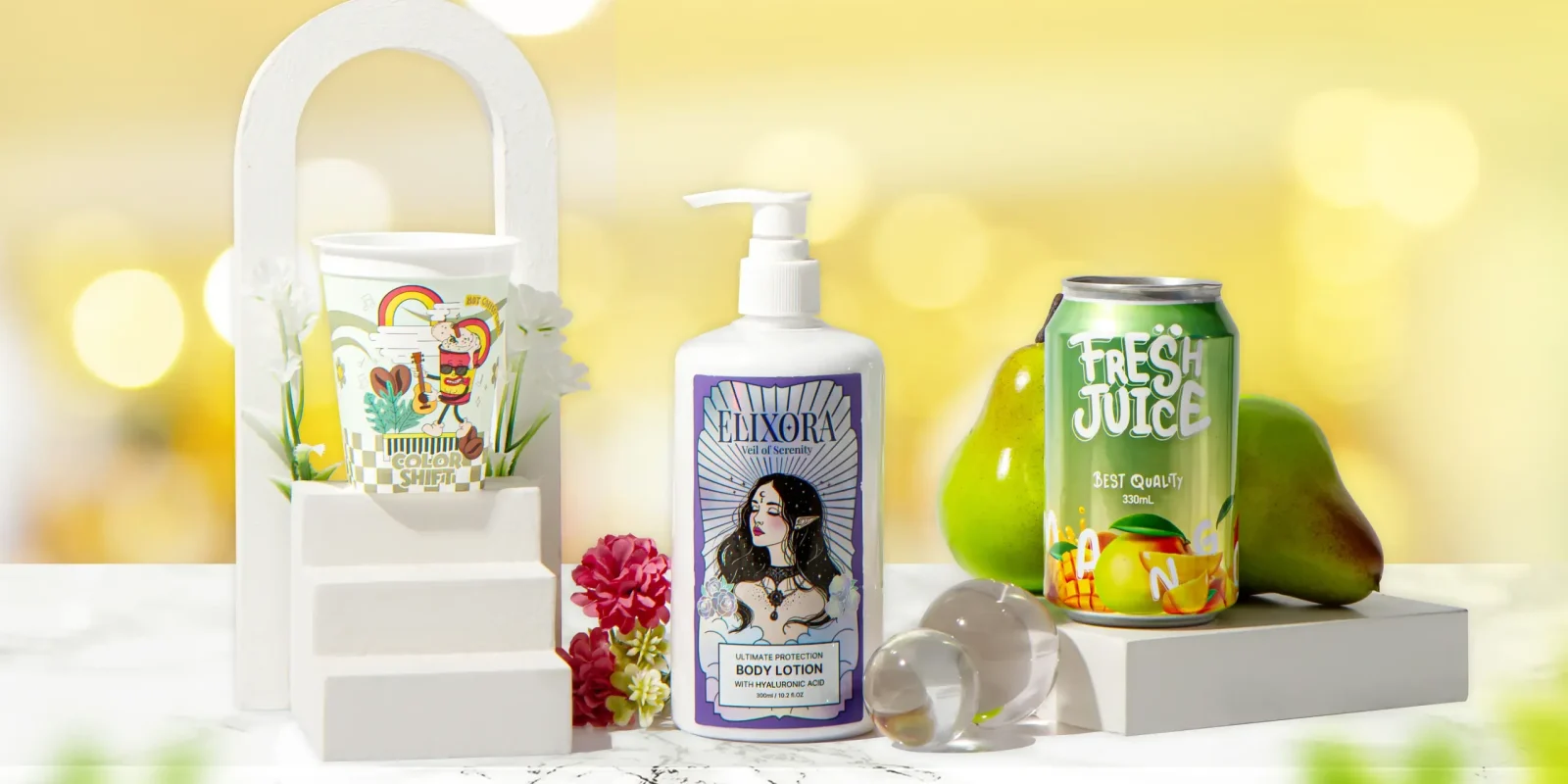
Product labels can be found on almost everything around us, from household items to packaged goods. They play an important role in how information is communicated to consumers and how products are identified, understood, and trusted in the market. In many cases, a product label becomes the first point of contact between a brand and its customers.
More than just presenting a brand name or logo, product labels provide essential information such as ingredients, usage instructions, safety warnings, and regulatory compliance. These details help consumers evaluate their purchasing choices while ensuring products meet industry standards and legal requirements.
Product labels also act as a silent salesperson. Through design, material, and finishing choices, labels can influence purchasing decisions by reinforcing brand identity, communicating product value, and helping products stand out on the shelf in a competitive market.
Because of these roles, understanding the different types of product labels is essential for you when selecting the most suitable label type for your product. Each type of product label is designed to meet specific functional, aesthetic, and application needs. The right choice of label type, material, and finish can significantly impact how a product is perceived by consumers.
Here are three different types of product labels and how they are commonly used across various industries:
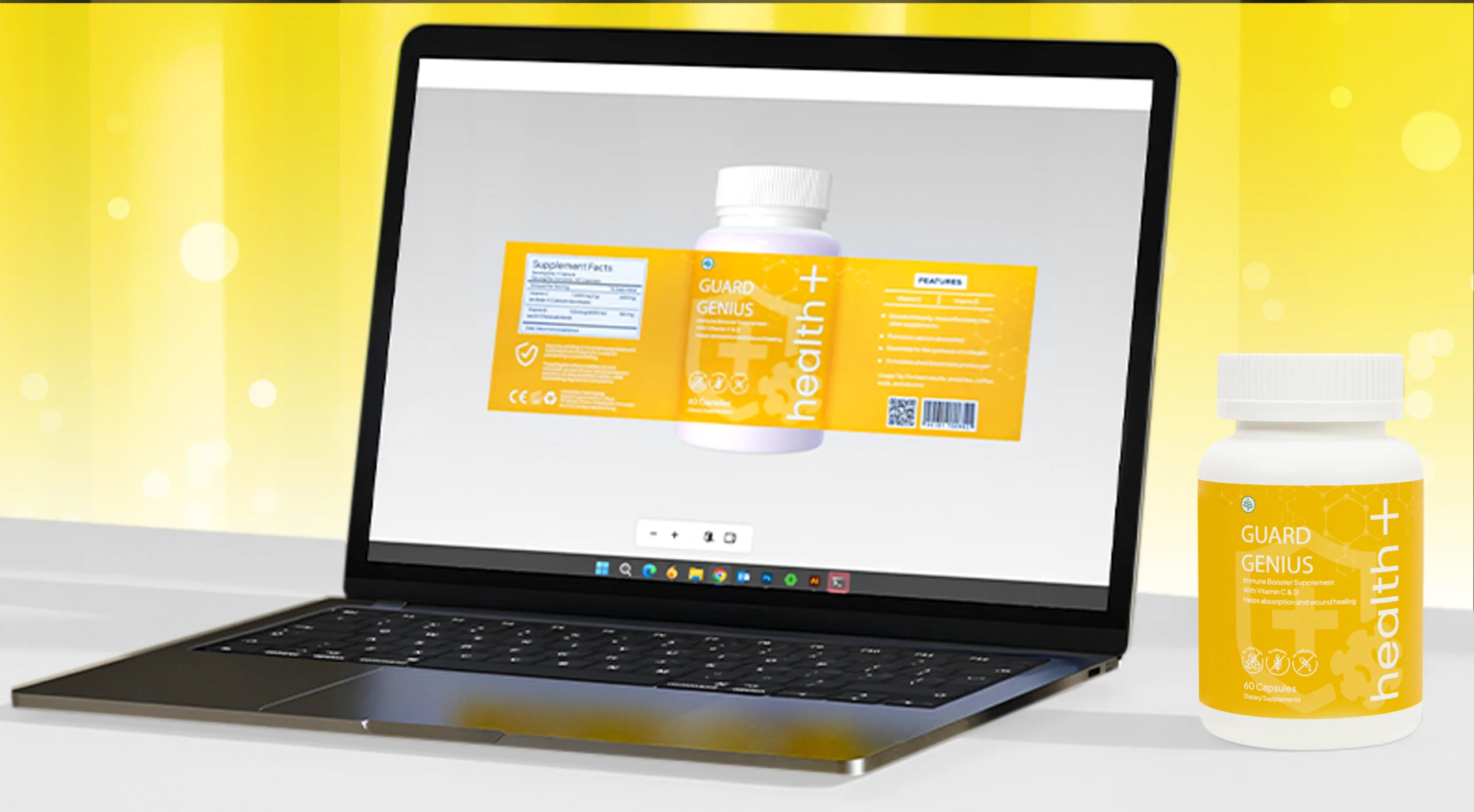
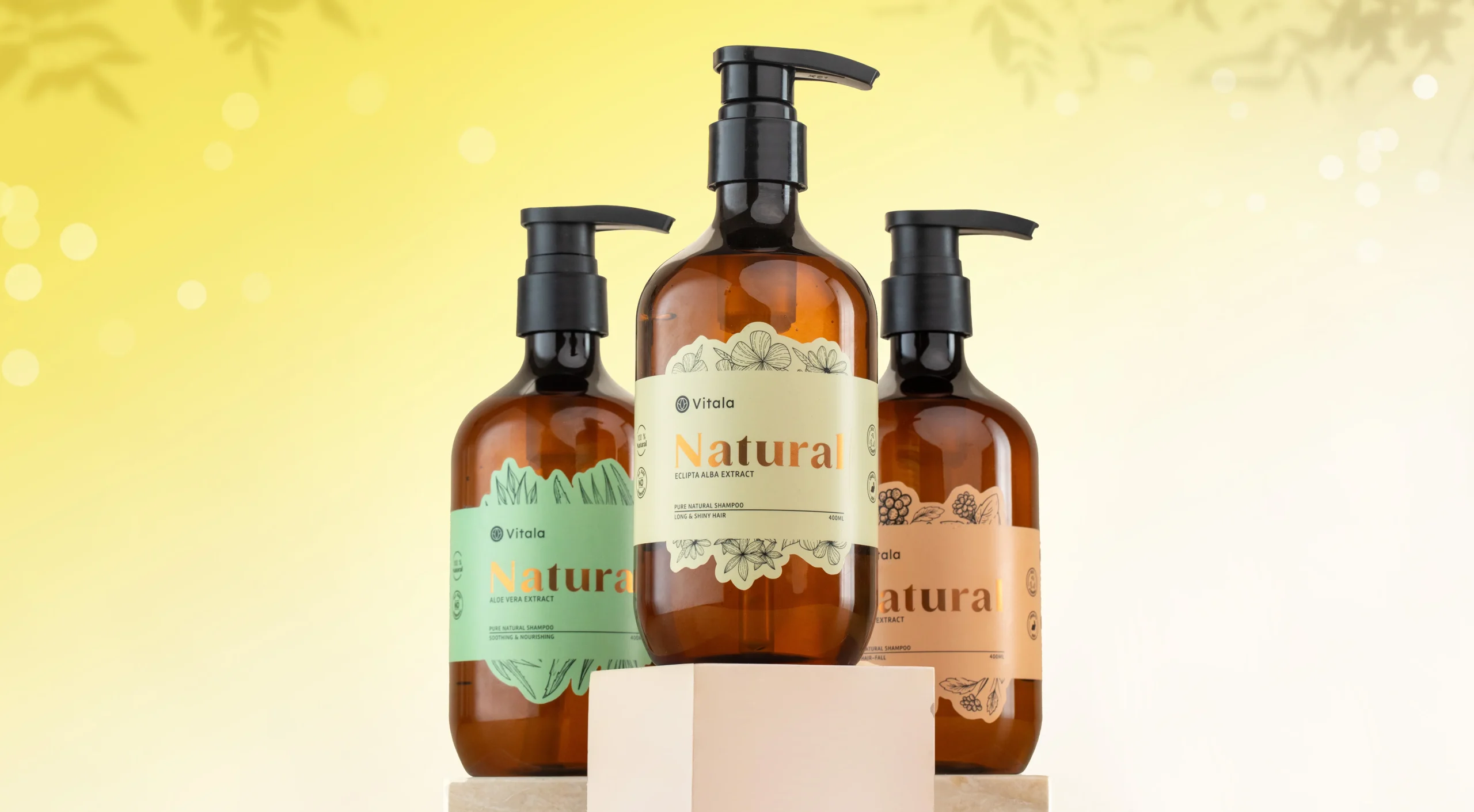
Pressure Sensitive Label

Pressure Sensitive Label (PSL) is a type of label that features an adhesive layer, allowing it to stick to a range of surfaces with light pressure. Because of its versatility and ease of application, Pressure Sensitive Label (PSL) has become one of the most common label types used in various industries.
This label type can be applied to a wide variety of containers, such as bottles, jars, tubes, boxes, and even flexible packaging. This versatility makes Pressure Sensitive Labels (PSL) suitable for a wide range of products across the food and beverage, cosmetics, personal care, pharmaceutical, household, and chemical industries.
For small production runs, Pressure Sensitive Label (PSL) can be applied manually (by hand) or with a labelling machine for high-volume manufacturing. With various material options and finishing techniques like lamination, foil stamping, embossing, or varnishes, Pressure Sensitive Labels (PSL) allow you to achieve both functionality and attractive visibility.
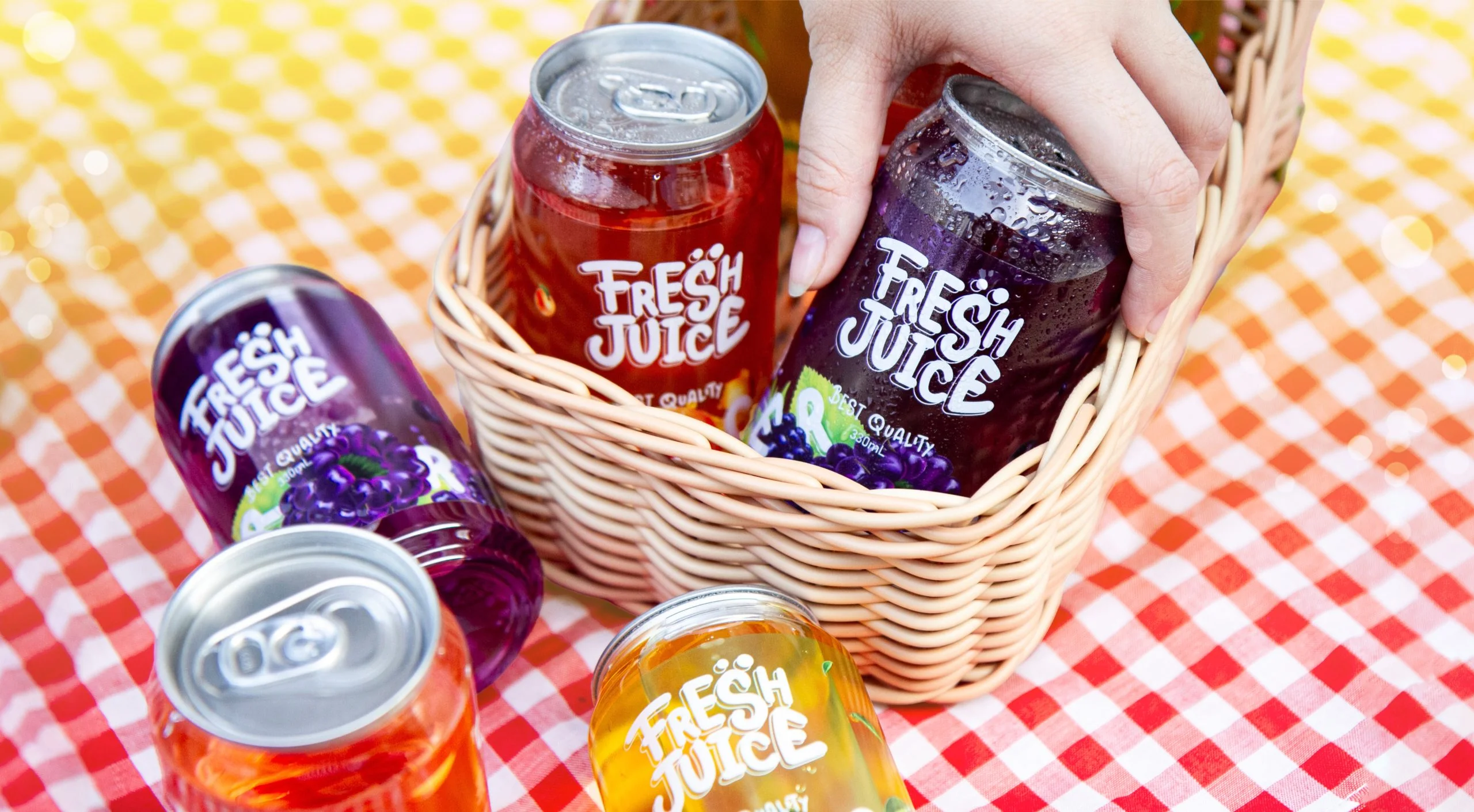
Shrink Sleeve Label

Shrink Sleeve Label is a type of label that offers 360-degree coverage, wrapping seamlessly around a product to deliver maximum brand visibility. During the application process, Shrink Sleeve Labels utilize heat to shrink and conform precisely to the shape and size of the container, resulting in a smooth, snug, and seamless appearance.
This label type is commonly applied to bottles, jars, and uniquely shaped containers, making it ideal for products that require full-body decoration that follows every curve of the container. Shrink Sleeve Labels are widely used across the food and beverage, cosmetics, personal care, household, and pharmaceutical industries.
Shrink Sleeve Labels are typically applied using automatic sleeve applicators and heat tunnels, making them well suited for high-volume production. They can also be applied using semi-automatic sleeve applicators, where the sleeves are pre-cut and supplied in tubular (sleeve) form. In this process, the sleeve is manually placed onto the container before heat is applied to shrink it evenly to the shape of the packaging. With a wide selection of materials and advanced printing options, Shrink Sleeve Labels allow brands to achieve consistent functionality and attractive visibility, along with excellent durability.
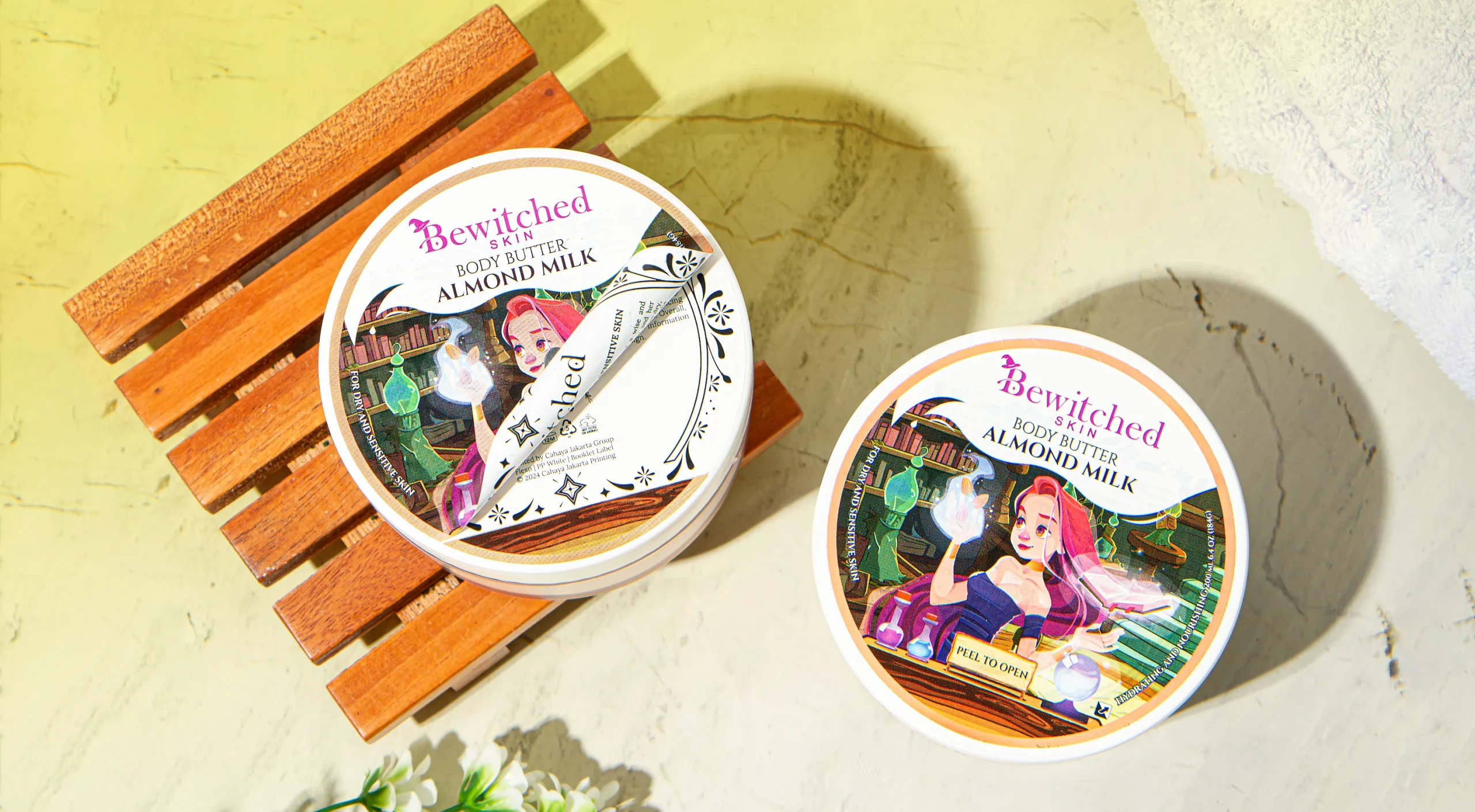
In-Mould Label

In-Mould Label (IML) is a type of label that seamlessly merges with the packaging or container. This process involves fusing pre-printed labels onto the packaging during the molding process.
In-Mould Labels are applied during the injection molding or blow molding process. The label is placed inside the mold before the container is formed, allowing it to fuse directly with the packaging material during the molding process. As a result, the label is highly durable, scratch-resistant, and long-lasting.
This label type is commonly used for plastic containers such as buckets, cups, bottles, and more, making it ideal for products that require a clean, premium, and high-quality appearance. In-Mould Labels are widely applied across the food and beverage, cosmetics, personal care, household, and chemical industries, especially for products that demand strong branding and long-term durability, while offering excellent resistance to moisture, chemicals, and abrasion.
Creating a label that truly reflects a brand often involves many considerations, especially when it comes to choosing the right label solution. Each type of label offers its own advantages, and the best choice will depend on how you want your product to perform, look, and stand out in the market.
From materials and label types to printing and finishing options, every detail plays a role in how a product is perceived. By working closely with brands throughout the process, our team at Theia Digilab helps navigate these choices to ensure that each label aligns with your brand identity and packaging needs. With the right label solution, your product can communicate its value clearly and build a stronger connection with consumers.
Beyond label types, the packaging format itself also plays a role in how your product is presented. Theia Digilab offers a full range of packaging solutions to complement your label choice, including Flexible Packaging, Standing Pouch, and Folding Carton Box, each designed to meet different functional and visual requirements across industries.
Are you ready to elevate your product labels to the next level? Get in touch with Theia Digilab through:
- WhatsApp: https://wa.me/62811949769
- Email: marketing@cahayajakarta.com